.NET, C#, and the craft
of software engineering
Independent essays, deep tutorials, and opinionated takes — written by working engineers. From CLR internals to the long shadow of QBASIC.

A premium dispatch from inside the .NET ecosystem.
Dot Net Masters is an independent magazine for working software engineers — the people who actually ship .NET, C#, ASP.NET, WPF and Windows desktop applications, and the architects responsible for keeping them running. We publish deep technical tutorials, opinionated essays on developer culture, and nostalgic dives into programming history — from QBASIC to the modern CLR.
Startups


.NET Microservices with Docker and Kubernetes — A Practical Guide for 2026
The decision to containerise a .NET application used to feel like a significant architectural commitment. In 2026, it is baseline infrastru…

Why Niche Startups Are Quietly Outperforming the Hype Cycle in 2026
If you read tech news in 2026, you would be forgiven for thinking that every successful startup is either a foundation model lab or an AI a…
Showcase
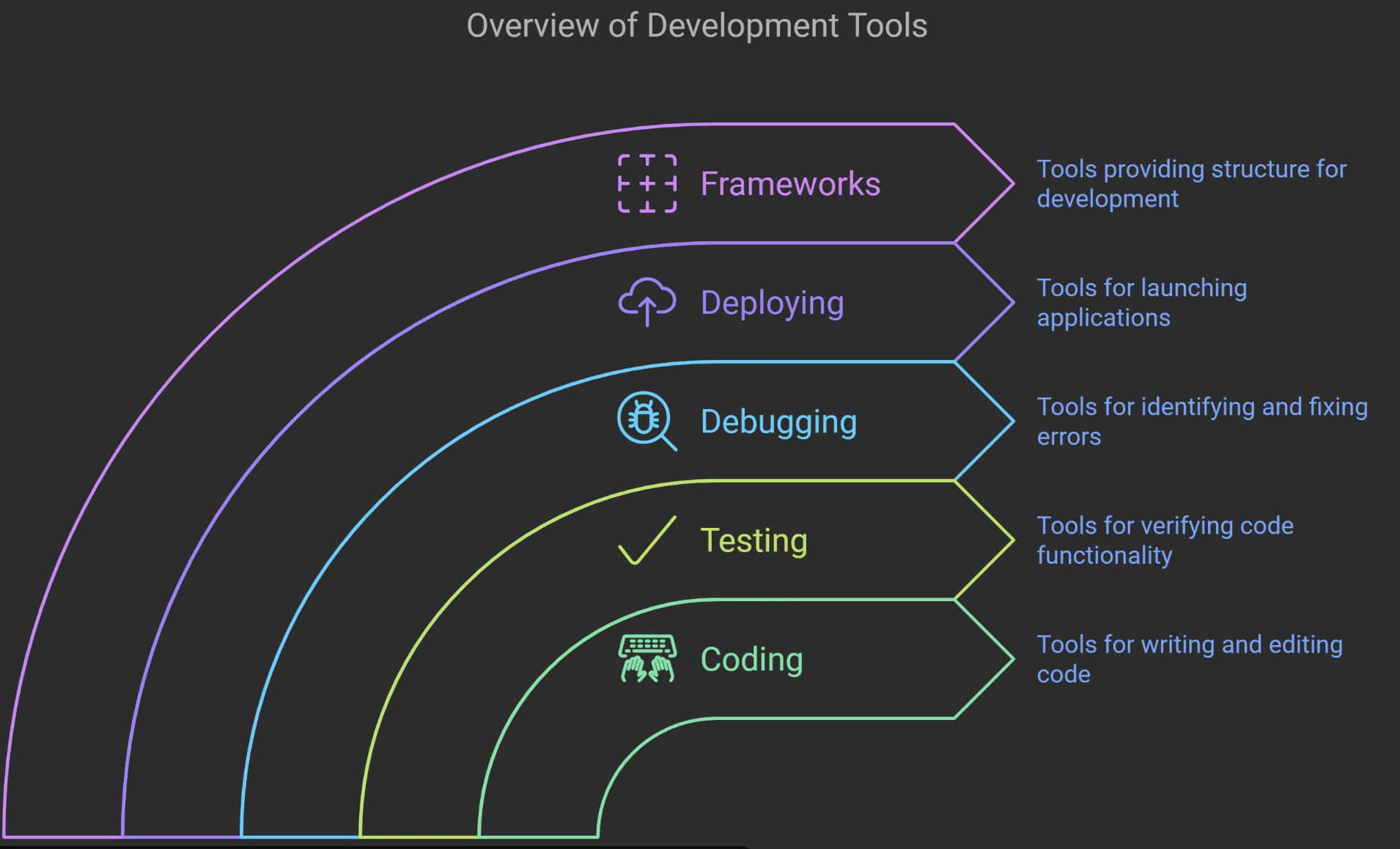
This Week in .NET — Week 22, 2026
A loaded week: the .NET 11 preview train keeps rolling, the runtime quietly changed how async works under the hood, the C# team poked a hor…

How Modern Consumer Platforms Handle Authentication and Session Design
Authentication used to be a door. You arrived, you proved who you were, the door opened, and what happened next was entirely separate from…

Three Teams Who Built Real Businesses on Boring Stacks and Specific Problems
The dominant narrative around software startups involves large funding rounds, rapid headcount growth, and the relentless pursuit of horizo…
.NET
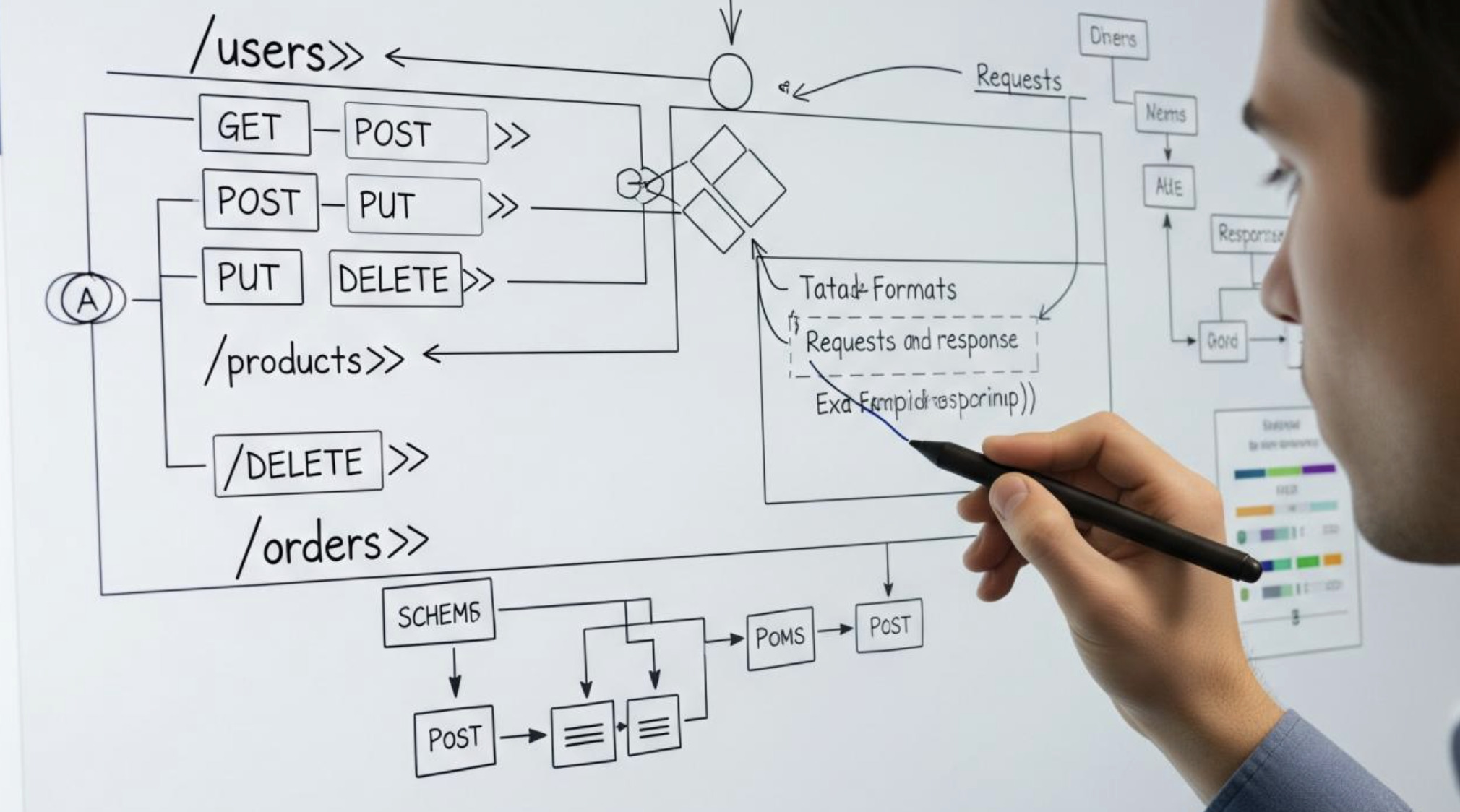
Minimal APIs vs Controllers in ASP.NET Core
Few decisions divide ASP.NET Core teams as reliably as the choice between minimal APIs and controllers. What began as a lightweight conveni…

Producer/Consumer Pipelines in .NET with System.Threading.Channels
The producer/consumer problem is one of those patterns that every backend eventually needs and almost everyone implements badly the first t…

.NET 11 (STS) vs .NET 10 (LTS) — Which Should a Startup Choose in 2026?
Every November, .NET teams face the same question: stay on the proven LTS release, or jump to the fresh STS one? The advice the first page…
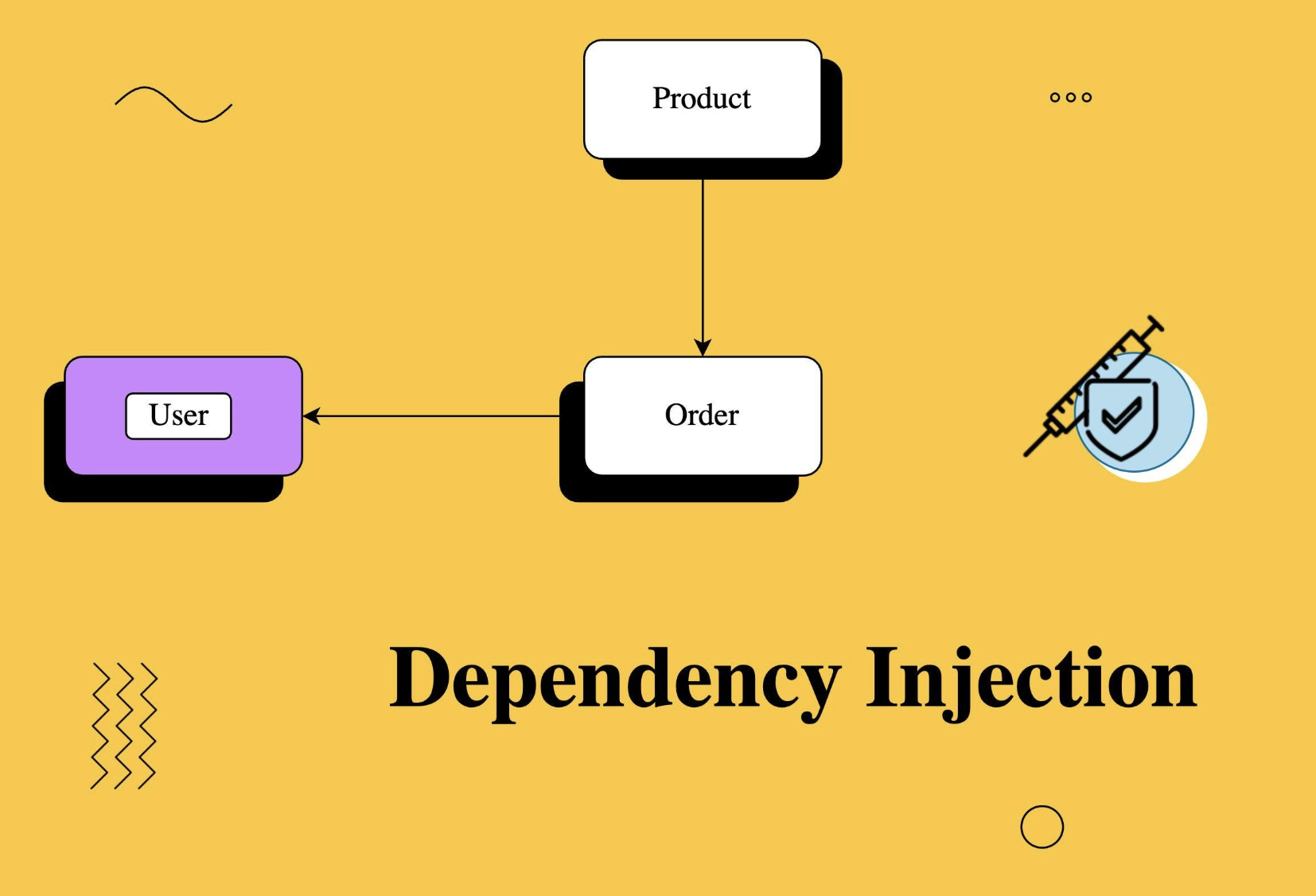
Dependency Injection Lifetimes in ASP.NET Core — Singleton, Scoped, Transient, and the Captive Dependency Trap
ASP.NET Core's built-in dependency injection container is so easy to use that most developers learn just enough of it to register a service…
Most discussed this month
The Middleware Pipeline That Shapes Every ASP.NET Core Request
The Span That Cuts Allocations in High-Performance C#
Records and Classes in C# and When Each One Fits
The Deferred Execution Trap Behind IQueryable in .NET
The Async Mistakes That Quietly Break .NET Applications
Deeper essays & opinion
.NET Microservices with Docker and Kubernetes — A Practical Guide for 2026
The decision to containerise a .NET application used to feel like a significant architectural commitment. In 2026, it is baseline infrastru…

Why Vertical SaaS Is Winning in 2026 and What .NET Developers Should Build Next
The SaaS market hit $315 billion in 2026. That number appears in the business press primarily as evidence of opportunity — the market is la…

Why More Startups Are Choosing .NET in 2026 (And What's Still Holding Some Back)
For roughly a decade, Node.js was the default answer when a startup founder asked their first engineering hire what to build the backend on…

Why Your Async Code Deadlocks in .NET (and How to Fix It Properly)
The #1 question new (and not-so-new) .NET developers ask about async/await: why does it deadlock? Here's the real reason — and the fix, wit…